Two days of keynotes, expert panel discussions and over 12 practical workshops – designed to inform, challenge, and connect the professionals shaping tomorrow's airports.
Visionary addresses that deliver fresh perspectives on the forces transforming aviation and airport operations – from leading CEOs and industry pioneers.
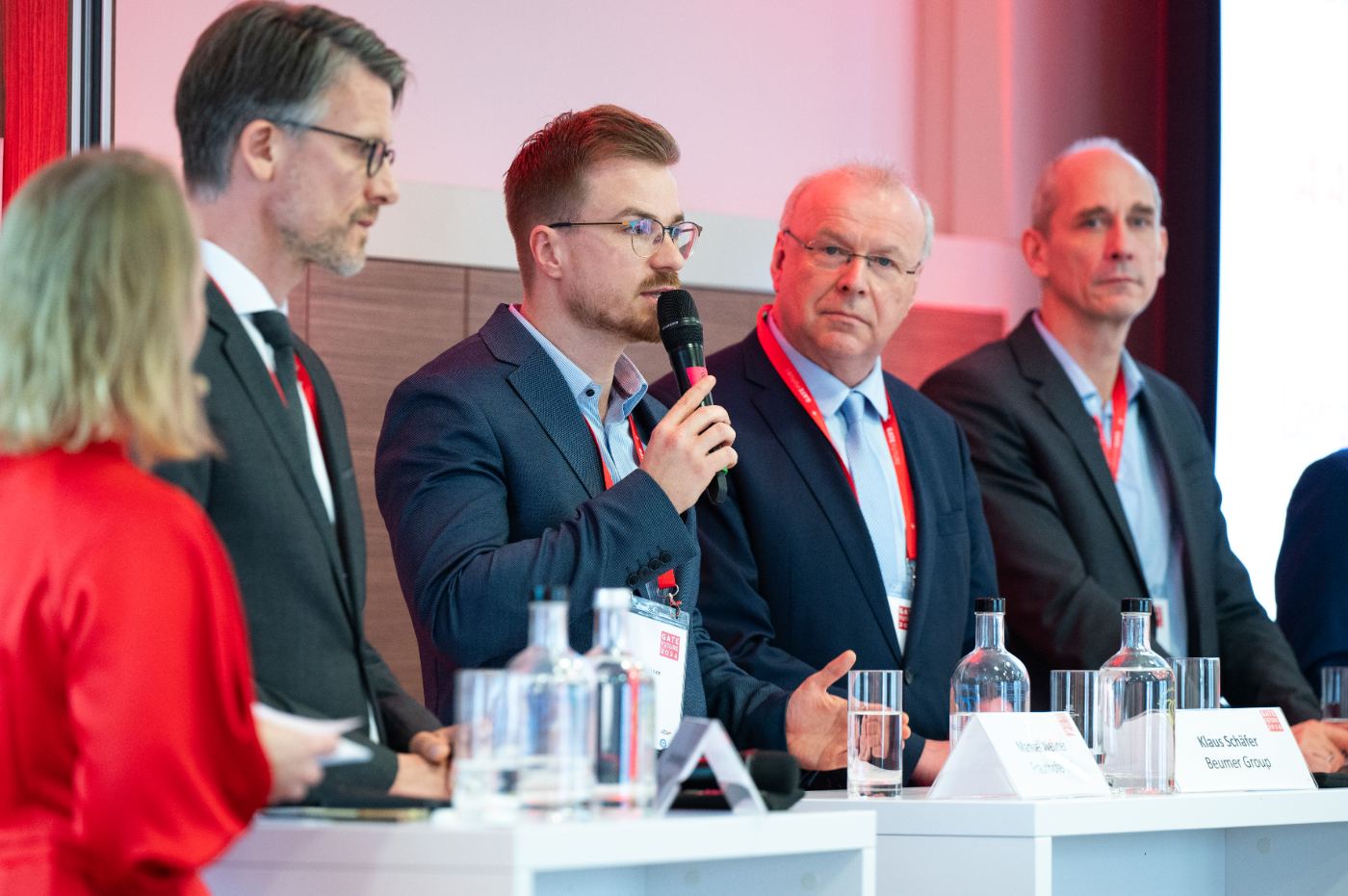
Forward-looking conversations spotlighting the most pressing questions shaping the airport industry – with expert voices from across the sector.
More than 12 highly practical sessions where airports and technology partners present solutions together – real challenges, concrete applications, collaborative innovation.
Explore how the airports of tomorrow are being designed architecturally, developed strategically, and enabled through technology – from masterplanning to digital infrastructure.
A focus on digital services, emerging technologies, and the next generation of passenger experience – from AI-driven operations to seamless travel journeys.
From autonomous ground vehicles to robotic baggage handling – exploring how physical automation is reshaping airside and landside operations, and what it means for the workforce of tomorrow.
Curated, practitioner-led sessions where technology partners and airports tackle real operational challenges together – from AI-driven ground operations to passenger well-being and sustainable equipment pooling.

A digital interface between baggage handling and fleet management – a kind of “Uber” for ground handlers. Developed with Heathrow and its handlers and heading into live testing, presented as an open session on the story and the solution.

Sharing ground support equipment across handlers – transparently and reliably. A first-hand look at the centralised non-motorised pool at Düsseldorf with 700+ units, SmartFLEET telematics, and the trust framework that makes it work.

In a short, interactive discussion, participants jointly assess infrastructure-based marshalling as a stepping stone toward autonomous apron operations – weighing the potential benefits for safety and efficiency, the technical and operational requirements, limitations and regulatory considerations, the preconditions for an infrastructure-based approach, and hybrid models that combine vehicle-based and infrastructure-based solutions. Attendees leave with practical ideas for initial implementation.

Travel by passengers with reduced mobility (PRM) keeps growing. This interactive session shows how data-driven decisions, machine learning and AI-supported dispatching can improve PRM services – cutting waiting times, optimising coordination across the airport and making the journey smoother, more transparent and more inclusive.

Geometrically accurate digital twins linked to real process models, now evolved into an AI-supported forecasting tool across operational, tactical and strategic horizons – developed with Cologne Bonn Airport, with a clear look at cost, benefit and return.

Holistic engineering – from product to high-end digital twins. Where the modular CityBot platform meets airport realities, with a case study from Fraport.

Motional Digital Twin – powered by Physical AI and 3D LiDAR – continuously captures 3D spatial data for unmatched visibility into how people and vehicles really move, improving efficiency, passenger experience and safety. With deployment examples from major international airports.

Pushback is one of the apron's most safety-critical processes. Using Hamburg Airport's move toward single-operator pushback with Evitado's ELVIZ hazard awareness as a live case study, this interactive session maps the path from digital assistance to higher automation – building a shared Pushback Automation Roadmap.

Beyond the vision: a five-step framework for operationalising AI in complex, regulated organisations. Featuring the Lenze transformation as a working case study, plus a guided self-assessment for participants.

The Chronolite approach: adaptive, science-based lighting across the full passenger journey – terminal to aircraft – to reduce stress and jet lag, and turn lighting from infrastructure into a strategic experience tool.

As airports face increasing demands for safety, operational continuity, and resilience against evolving security threats, traditional perimeter protection systems are reaching their limits. This workshop explores the next generation of intelligent airport security based on the fusion of LiDAR and camera technologies. By combining the precise 3D spatial awareness of LiDAR with the rich contextual information provided by visual imaging, sensor fusion enables highly reliable detection, classification, and tracking of intrusions while significantly reducing false alarms caused by wildlife, weather, or environmental factors.
Got a workshop idea that pushes airports forward? Submit your proposal and join the line-up. Currently open to GATE Members only.
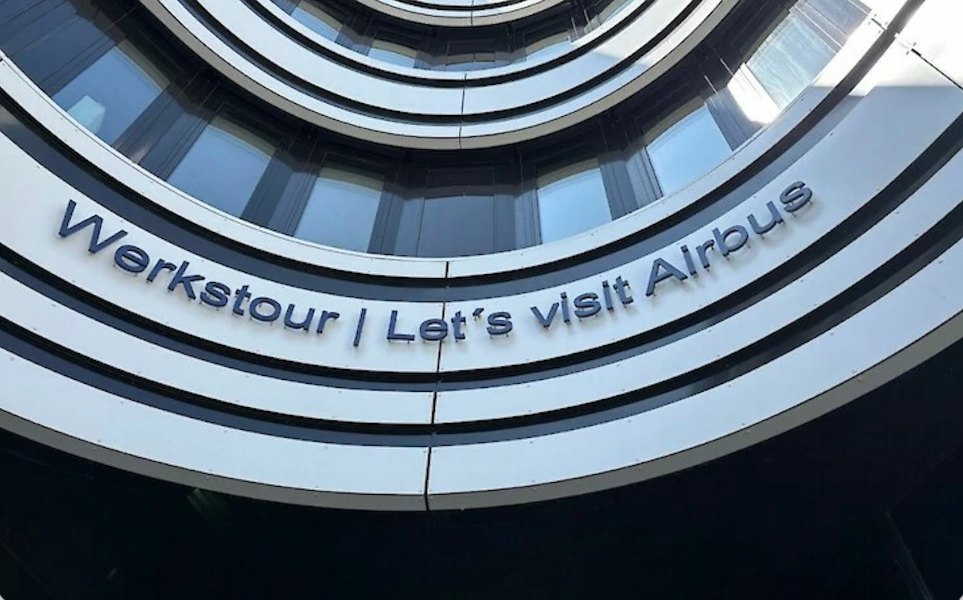
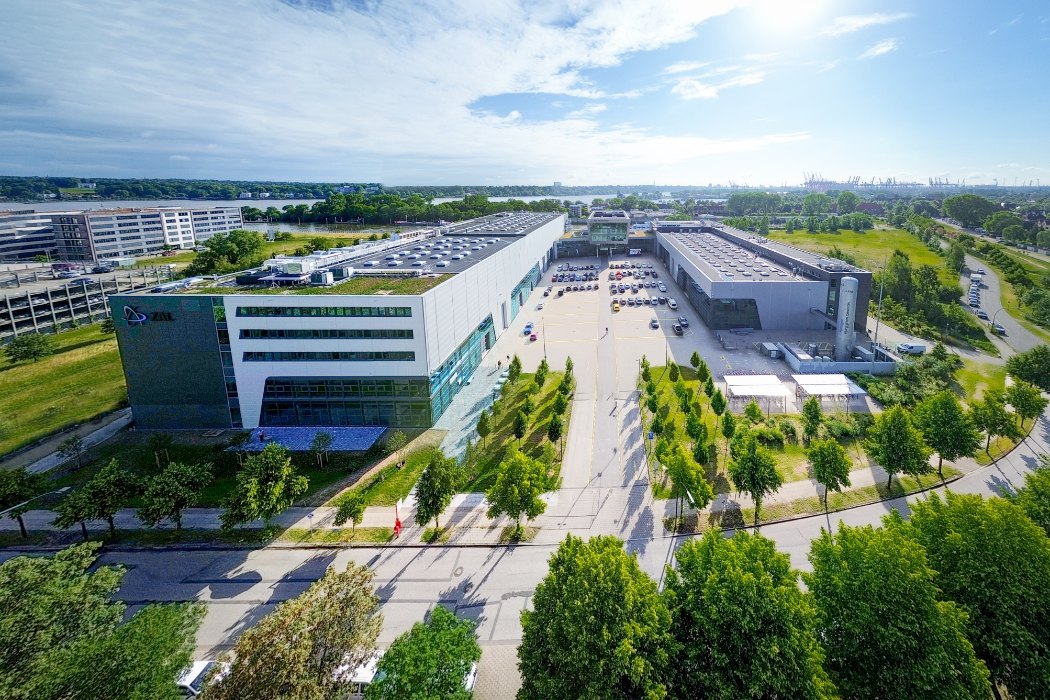
There’s even more around the conference: join exclusive guided tours at Airbus and the ZAL Center of Applied Aeronautical Research in Hamburg on Tuesday – a rare look behind the scenes of aviation innovation.


© Airbus
© Globetrotter Erlebnis GmbH

* Not yet a member? Join the world's largest airport supplier network and unlock member pricing. Learn about GATE membership →
All tickets include access to all sessions, congress materials, catering and networking events.
Position your company as a driver of aviation innovation. GATE FUTURE unites 350+ senior decision-makers, airport executives and technology leaders – giving your brand direct access to the people shaping tomorrow's airports.